Chapter 2
IN THIS LESSON
Learn how to develop strong visual stories for the screen.
Students explore the foundations of visual storytelling through story structure, character development, and scene creation. Courses cover directing actors, shot planning, cinematography, lighting, editing, sound, and post-production techniques. Through hands-on learning, students gain practical filmmaking experience while developing the creative and technical skills needed to bring cinematic stories to life.
This course is designed to introduce students to the creative and technical foundations of filmmaking through hands-on instruction, collaborative exercises, and real-world production practices. Students will learn how stories are developed for film and how filmmakers use visuals, sound, performance, and editing to create emotional and engaging cinematic experiences.
Throughout the course, students explore the complete filmmaking process beginning with story development and pre-production planning. Students learn the fundamentals of story structure, character development, scene construction, screenplay formatting, and visual storytelling techniques used in film and television. Emphasis is placed on understanding how strong storytelling serves as the foundation for every successful film project.
Students are introduced to the role of the director and learn how directors communicate vision, guide performances, block scenes, and collaborate with cast and crew members on set. The course also explores shot composition, camera angles, framing, movement, and cinematic language to help students understand how visual choices shape mood, pacing, and storytelling.
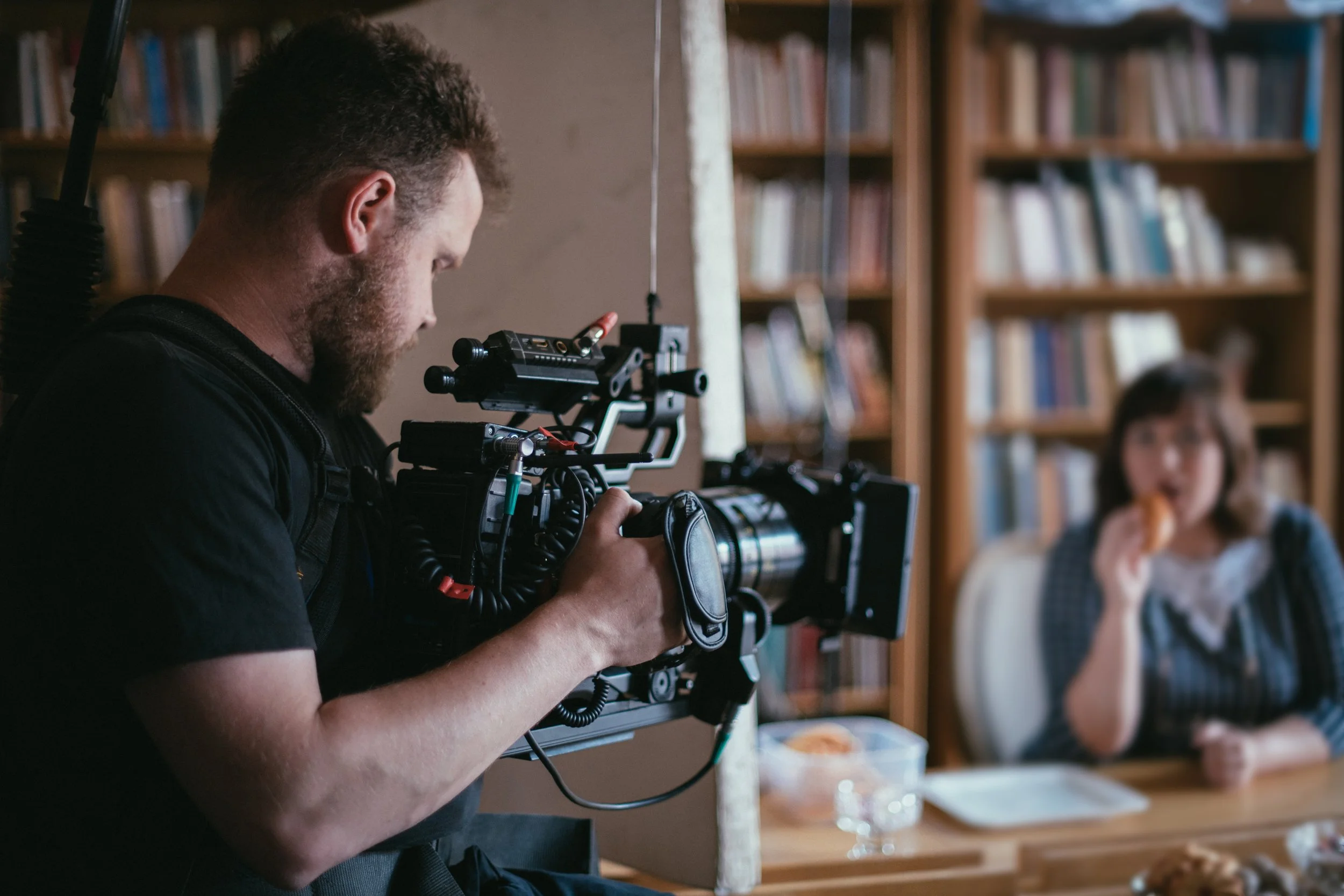
Technical instruction includes camera operation, cinematography basics, lighting techniques, sound recording, and production workflow. Students gain practical experience using filmmaking equipment while learning how professional film sets operate. Lessons also cover production roles and responsibilities, teamwork, communication, and on-set collaboration.
In post-production, students are introduced to the editing process, including pacing, continuity, sound design, music integration, color correction, and basic visual storytelling through editing software. Students learn how raw footage is transformed into a polished final scene and how editing choices impact emotion and narrative clarity.
Throughout the course, students participate in guided creative exercises, scene work, production activities, and collaborative filmmaking projects designed to reinforce both technical skills and creative confidence. By the end of the course, students will have a deeper understanding of the filmmaking process and the foundational skills needed to continue advancing through the LaGrange Film Academy filmmaking program.
-
Add a short summary or a list of helpful resources here.