Meet Your Instructor
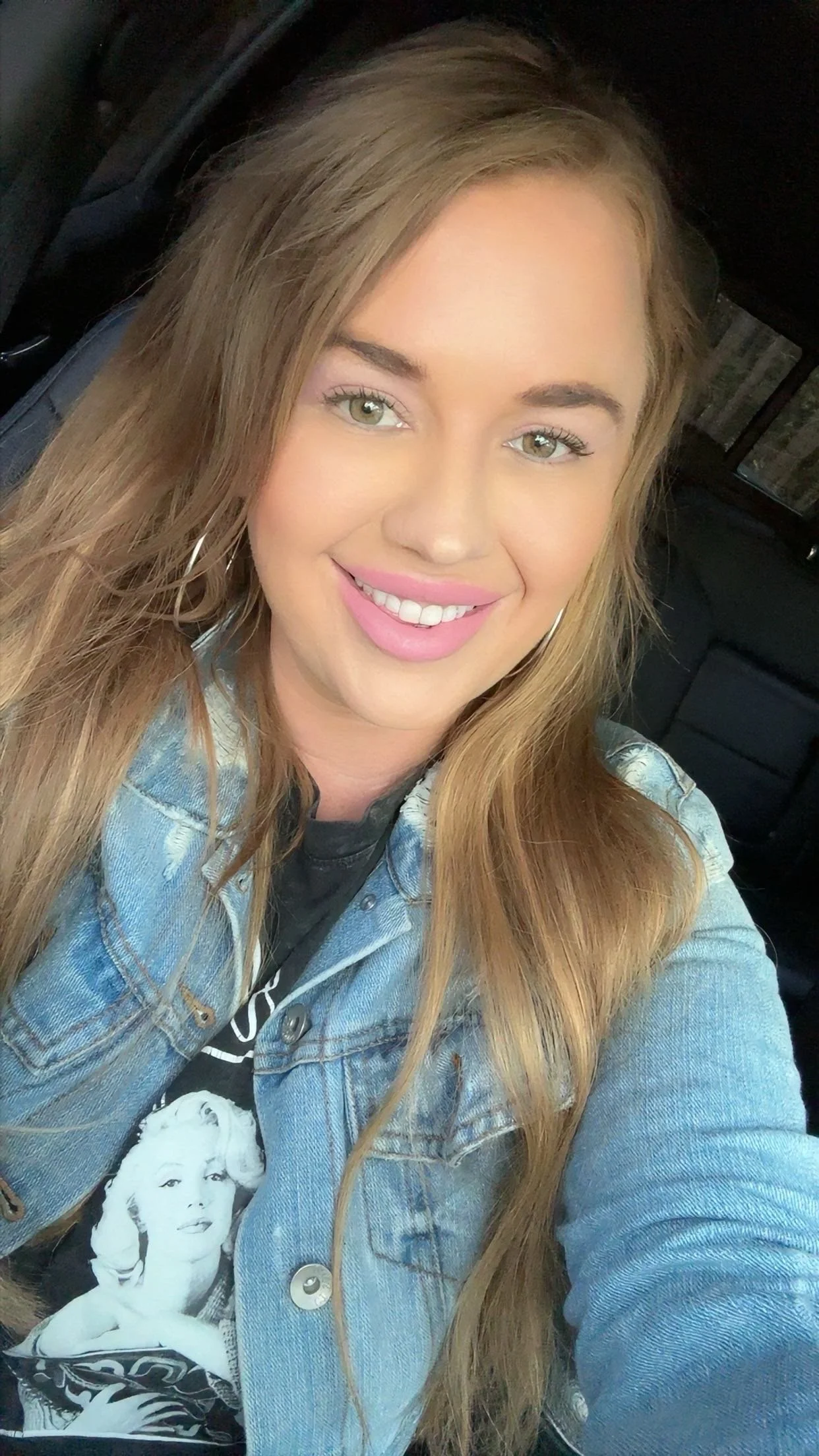
Krista O’Connor
Krista O’Connor is an award-winning filmmaker, director, producer, cinematographer, editor, and storyteller with experience spanning feature films, television, documentaries, commercials, music videos, live production, and corporate media.
As founder of LaGrange Film Academy and Wishflower Entertainment, Krista has led productions from concept to completion, writing scripts, directing actors, producing projects, operating camera, editing films, and managing every stage of production. Her hands-on industry experience allows students to learn real filmmaking techniques used on professional sets.
Krista directed, produced, wrote, and edited the SAG feature film Soul to Keep starring Academy Award winner Lou Gossett Jr. She has also worked on productions involving actors and industry professionals including Mickey Rourke, Denise Richards, Dean Cain, Daniel Baldwin, Stephen Baldwin, and Billy Baldwin.
Her background includes work in feature films, reality television, documentaries, film festivals, and live productions, along with extensive experience in cinematography, editing, production management, casting, marketing, and storytelling. Krista currently serves as a camera operator for Passion City Church at Trilith Live and has worked with large production teams both creatively and operationally.
In addition to filmmaking, Krista has extensive experience in leadership, business management, budgeting, contracts, marketing, and event production, giving students insight into both the artistic and professional sides of the film industry.
Krista founded LaGrange Film Academy to bring professional-level film education and creative opportunities to Troup County and surrounding communities. Her passion is storytelling and helping kids, teens, and adults build confidence, discover their creative voice, and gain hands-on experience in acting and filmmaking in a supportive and inspiring environment.
Whether students dream of acting on screen, directing films, editing videos, or simply exploring creativity for the first time, Krista believes storytelling has the power to transform lives and bring communities together.
Frequently Asked Questions
-
Yes!
Our On-Camera Acting classes operate as ongoing training programs, allowing new students to join throughout the year as space permits.
Unlike the Filmmaking Track Program, acting students do not need to wait for a new semester or complete a specific sequence of courses before enrolling.
Classes are designed to accommodate both:
New students with little or no experience
Returning students continuing to develop their skills
Students work on a variety of topics throughout the year, including:
Acting for camera
Scene study
Character development
Audition technique
Self-taping
Improvisation
Cold reading
On-set professionalism
Because lessons rotate and evolve throughout the year, students benefit from ongoing training regardless of when they begin.
The best time to start is now.
-
No. Most of our programs are designed for beginners and aspiring filmmakers. Whether you're stepping in front of the camera for the first time or exploring filmmaking as a hobby or career path, we'll help you build skills from the ground up.
-
LaGrange Film Academy offers programs for children, teens, & adults
Specific age requirements vary by program. Most filmmaking courses are open to ages 13 and up.
-
Possibly, for very young actors who are serious about film acting but may not yet be ready for a traditional group class environment, private coaching sessions may be available with parent participation.
Private coaching focuses on:
Audition preparation
On-camera confidence
Following direction
Commercial and film performance skills
Industry readiness for young performers
Please contact us to discuss your child's age, experience level, and goals.
-
Acting for film requires a different skill set than acting for the stage.
Our on-camera classes focus on:
Natural performances
Working with the camera
Audition technique
Self-tapes
Continuity and consistency
Understanding how scenes are filmed and edited
Students learn how professional actors adapt their performances specifically for film and television.
-
The Filmmaking Track is a structured educational pathway that guides students through every major area of filmmaking.
Courses include:
Intro to Filmmaking
Visual Storytelling
Screenwriting
Cinematography
Lighting
Sound
Directing
Editing
Production Workflow
The program concludes with a collaborative Short Film Production Course.
-
No.
Students may enroll in individual courses based on their interests.
However, students pursuing leadership roles in the Short Film Production Course are encouraged to complete the recommended prerequisite coursework.
-
Intro to Filmmaking provides the foundation needed to succeed in the rest of the program.
Students learn:
Film set terminology
Production workflow
Basic camera concepts
Storytelling fundamentals
Students who have completed college-level filmmaking coursework may request a prerequisite waiver.
-
The Filmmaking Track Program is a structured, hands-on educational pathway designed to teach students every major area of filmmaking. Students progress through specialized 6-week courses covering storytelling, directing, cinematography, lighting, sound, editing, and production workflow before applying their skills in a collaborative short film production.
YEAR 1 FILMMAKING TRACK SCHEDULE
FALL SESSION 1
August – September
Monday
Intro to Filmmaking
Saturday
Visual Storytelling
FALL SESSION 2
October – November
Monday
Production Workflow & Set Operations
Saturday
Camera & Cinematography Basics
WINTER SESSION
January – February
Monday
Intro to Filmmaking
Saturday
Lighting for Film
SPRING SESSION 1
March – April
Monday
Directing Fundamentals
Saturday
Sound for Film
SPRING SESSION 2
May – June
Monday
Editing & Post-Production
Saturday
Short Film Production Course (Capstone)
Future Course Additions
As enrollment grows, additional Saturday classes may be added, including:
Screenwriting for Film I
Screenwriting for Film II
-
Yes!
New students may join throughout the year as courses begin. Because Intro to Filmmaking is offered multiple times annually, students can enter the program at different points and continue progressing through future course offerings.
Students with prior filmmaking education or college-level coursework may be eligible for prerequisite waivers on a case-by-case basis.
If you're unsure where to start, we'll help you choose the best entry point based on your experience and goals.
-
Not in our On-Camera Acting Classes.
Our acting classes are structured so students can enter at various points throughout the year. New students receive guidance and support as they integrate into class activities and exercises.
Because acting is a skill developed through continuous practice, every class offers opportunities to learn, grow, and build confidence.
-
Absolutely.
LaGrange Film Academy is built around hands-on learning.
Students don't just learn filmmaking theory—they actively participate in creating projects, filming scenes, operating equipment, collaborating with crews, and producing original content.
-
Many projects include opportunities to perform on camera, but participation depends on the course and individual student interests.
Students interested primarily in directing, editing, cinematography, or other crew positions are not required to act.
-
As the academy grows, we plan to bring in guest instructors and industry professionals to share their knowledge and experience through special workshops and masterclasses.
These opportunities may include:
Actors
Casting professionals
Directors
Producers
Cinematographers
Stunt professionals
Editors
-
Yes, limited private coaching may be available for:
Audition preparation
Self-tape coaching
On-camera acting
Filmmaking mentorship
Young performers pursuing professional opportunities
Availability is limited.
-
No.
Students will have access to academy equipment during classes and productions.
As students advance, recommendations may be provided for personal gear, but purchasing equipment is never required.
-
Class sizes are intentionally limited to provide hands-on instruction, individualized feedback, and meaningful production experience.
-
Because filmmaking is highly collaborative, regular attendance is strongly encouraged.
Make-up sessions are not guaranteed, but instructors will work with students whenever possible to help them stay on track.
-
Registration can be completed online through our website.
Enrollment is first come, first served, and many programs have limited seating.
Early registration is encouraged.
-
At LFA, students learn filmmaking from the perspective of working production.
Our programs focus on:
Real-world filmmaking skills
Acting for camera
Storytelling
Creative collaboration
Professional set practices
We don't just teach film, we help students become filmmakers.
-
No.
LaGrange Film Academy is not an accredited college, university, or degree-granting institution.
LFA is a private educational academy focused on hands-on training in filmmaking and on-camera acting. Our programs are designed to provide practical experience, creative skill development, and real-world production knowledge in a collaborative learning environment.
LFA's goal is to help students gain the skills, confidence, and experience needed to pursue their creative interests, whether as a hobby, a stepping stone to further education, or a pathway toward professional opportunities in film and media.
If your goal is a college degree, LFA can serve as a valuable complement to traditional education by providing practical, hands-on experience that is often difficult to obtain in a classroom alone.Students learn from working filmmakers and industry professionals, with an emphasis on creating projects rather than simply studying them.